

Myths About Water Leak Detection – and the Truth Behind Finding a Leak
- Home
- >
- Help & Advice Centre
- >
- Myths About Water Leak Detection and the Truth Behind Finding a Leak

When it comes to finding a leak, many homeowners assume the signs will be obvious. Water dripping from the ceiling. A damp patch on the wall. Water pooling on the floor.
In reality, most leaks are hidden and by the time visible symptoms appear, the damage may already be extensive.
Understanding how water leak detection really works can help you act sooner, reduce repair costs, and avoid unnecessary disruption. Let’s look at some of the most common misconceptions surrounding specialist leak detection, water pipe leak detection, and even gas leak detection using tracer gas.
This is one of the most common misunderstandings.
Many leaks occur out of sight — beneath flooring, inside walls, within ceilings, or underground. An underground water leak may show no obvious surface signs at all. Instead, you might notice subtle indicators such as a drop in water pressure or an unexpectedly high water bill.
The same applies to a central heating leak. If you’re repeatedly topping up the filling loop on your heating system, it’s easy to assume it’s a boiler issue. However, sometimes the leak isn’t visible internally or externally — it may be within the pipework itself, hidden under floors or within walls.
Professional specialist leak detection is designed to locate these concealed problems before they escalate.
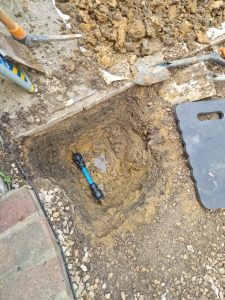
Another common fear is that identifying a leak automatically involves lifting floors, breaking through walls, or digging up driveways.
Modern water pipe leak detection methods are far more precise.
Using advanced technology, engineers can pinpoint the exact location of a leak before any repair work begins. This significantly reduces disruption and avoids unnecessary excavation. In many cases, only a small, targeted access point is required.
Where possible, dig-free repair solutions are available. When excavation is necessary, it is carefully planned and limited to the precise problem area.
A minor leak may not seem like a priority, particularly if it isn’t causing visible damage.
However, even a pinhole leak can:
The longer a leak continues, the greater the long-term repair costs are likely to be. Early water leak detection prevents small issues from becoming major problems.
Specialist equipment allows engineers to locate leaks accurately without guesswork. Two of the most effective methods used today are acoustic detection and tracer gas detection.
This is one of the most commonly used techniques in water pipe leak detection.
Highly sensitive listening equipment detects the specific sound frequency created when water escapes from a pressurised pipe. Even if the leak is underground or beneath flooring, escaping water produces a distinctive acoustic signature.
Engineers adjust the equipment to filter out background interference, isolating the exact sound of the leak and narrowing down its location with precision.
In situations where sound detection alone is not sufficient, gas leak detection methods using tracer gas can be employed.
A safe, inert gas is introduced into the pipe system. The gas escapes at the point of the leak and rises naturally to the surface. Specialist sensors then detect the gas above ground level.
Tracer gas detection is particularly useful when:
This method provides highly accurate results while minimising property disruption.
You should consider professional water leak detection if you notice:
Ignoring the early signs can lead to structural damage, higher costs, and prolonged disruption.
Hidden leaks rarely resolve themselves. Acting quickly protects your property and reduces water waste.
Metro Plumb detects the leak accurately. Metro Plumb carries out the repair properly. Get in touch and we can help detect and fix the problem.